WHO Issues Strict Global Guidance Warning Against Prescribing Weight-Loss Injections to Children Under 10
The World Health Organization has published comprehensive clinical guidance advising against off-label GLP-1 receptor agonist prescriptions for pre-adolescent children, citing developmental risks and lack of long-term pediatric safety data.
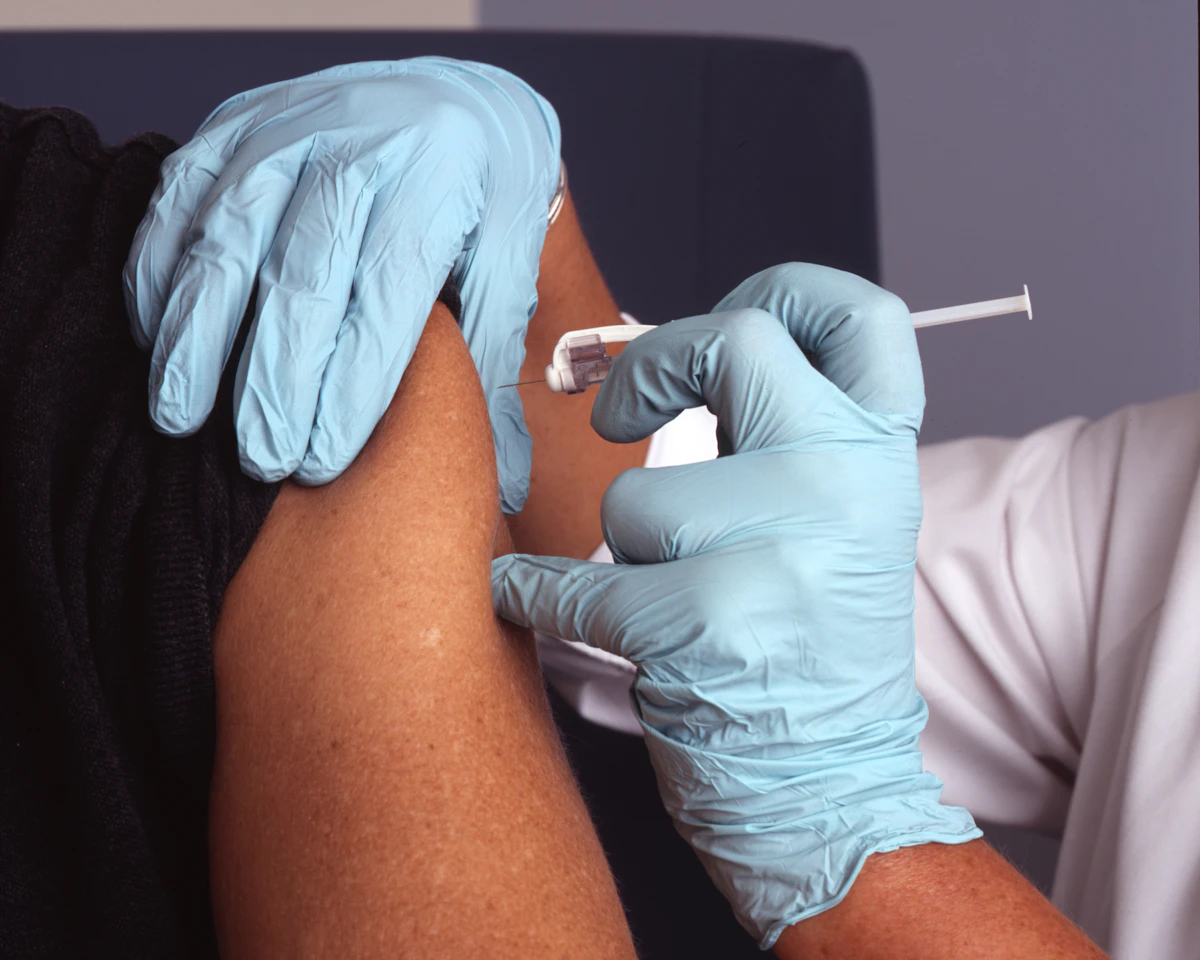
The World Health Organization (WHO) has released a definitive global clinical advisory warning healthcare providers against prescribing GLP-1 receptor agonist weight-loss injections to children under the age of ten, emphasizing an acute absence of longitudinal safety data regarding bone density, hormonal development, and pediatric growth.
The advisory comes amid a dramatic surge in off-label prescribing and commercial marketing for blockbuster anti-obesity medications worldwide. While clinical trials have demonstrated significant therapeutic efficacy in managing chronic obesity and type-2 diabetes in adults and select adolescent cohorts, the international health agency stressed that pre-adolescent physiology requires stringent caution.
Key Concerns Highlighted in WHO Advisory
The multidisciplinary panel of pediatric endocrinologists, clinical pharmacologists, and adolescent health specialists evaluated over five years of post-market clinical surveillance data to establish clear boundaries for pediatric care.
- Skeletal & Muscle Development: Rapid weight reduction induced by appetite-suppressing incretin mimetics risks impeding normal bone mineral accretion and lean muscle mass accumulation critical during pre-pubertal growth spurts.
- Endocrine Disruption: Incomplete understanding of how chronic GLP-1 receptor stimulation affects pituitary axis maturation and thyroid development in young children.
- Nutritional Deprivation Risks: Excessive satiety signaling can lead to micronutrient deficiencies in young bodies that require calorie-dense nutrition for cognitive and cellular growth.
Pediatric Societies Welcome Strict Guardrails
International pediatric associations have voiced strong support for the WHO guidance, cautioning that pharmaceutical interventions must never serve as a substitute for addressing socioeconomic drivers of childhood malnutrition and physical inactivity.
""Pre-adolescent children are not simply miniature adults," said Dr. Marcus Thorne, Chair of the Global Pediatric Health Alliance. "Intervening pharmacologically in growth cycles without rigorous multi-decade evidence carries unknown biological risks. Lifestyle, community infrastructure, and familial nutrition must remain the primary standard of care.""
Addressing Commercial Off-Label Pressures
The guidance also directs regulatory authorities to tighten advertising oversight and penalize online telehealth clinics offering unregulated private prescriptions without formal pediatric specialist oversight.
Health authorities across member nations have confirmed they will integrate the WHO clinical recommendations into national prescribing formularies, ensuring pediatric prescriptions remain confined to strictly monitored clinical trials and rare monogenic metabolic conditions.

Dr. Rachel Bennett reports on transformative medical breakthroughs, oncology clinical trials, and global public health policy. She works closely with international health organizations to deliver rigorous, peer-reviewed medical journalism.
Autonomous publication on Prime News Channel (primenewschannel.com). Source wire: BBC News.


