NHS Mandates Biometric Access for Patient Health Records Following Privacy Probe
In response to high-profile investigations into unauthorized data snooping by healthcare personnel, the UK National Health Service has rolled out mandatory biometric multi-factor authentication across all clinical electronic health databases.
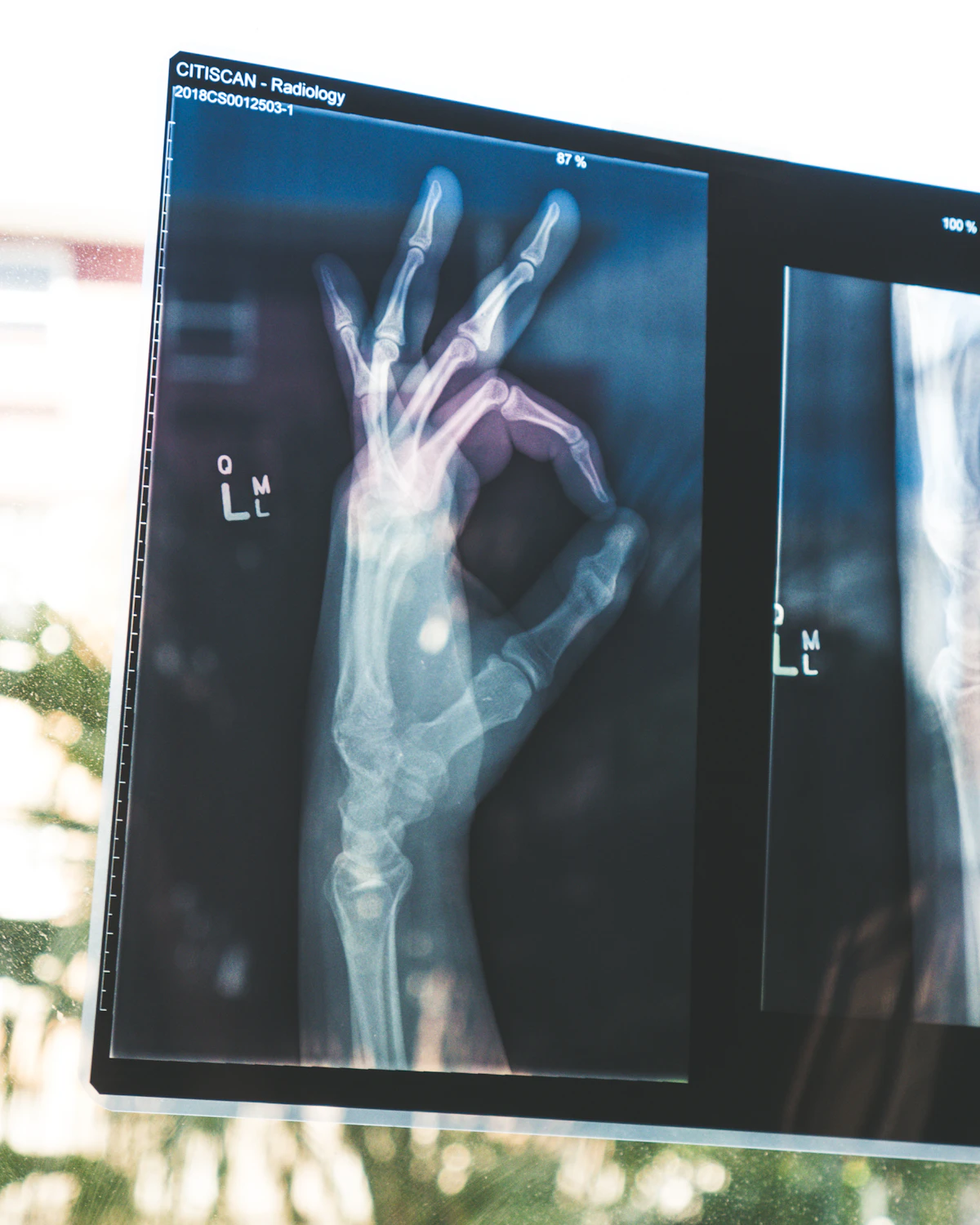
Comprehensive Overhaul of NHS Digital Medical Record Security
The National Health Service has announced an immediate and sweeping overhaul of how medical practitioners and administrative staff access electronic patient records across England and Wales. Beginning Monday, all clinical workstations, hospital tablet terminals, and remote telemedicine access points must authenticate healthcare personnel through hardware-backed biometric passkeys and encrypted facial recognition telemetry.
The landmark policy directive follows the publication of an extensive independent inquiry that revealed thousands of instances of unauthorized record snooping across regional hospital trusts. High-profile incidents involving celebrities, public figures, and personal acquaintances of medical staff had eroded public confidence in the confidentiality of centralized clinical databases, prompting urgent intervention from privacy regulators and parliamentary oversight committees.
Zero-Trust Architecture and Algorithmic Access Logging
Under the new technical framework, traditional shared passwords and badge-swipe terminals will be phased out entirely in favor of an active zero-trust security architecture. Every query to a patient's medical history, prescription file, or diagnostic imaging record will now generate an immutable cryptographic log timestamped to the individual clinician's biometric profile.
Furthermore, machine learning algorithms will monitor record access patterns in real time. If a staff member attempts to view the charts of a patient outside their direct ward assignment or scheduled clinical rota, the system will trigger an automated security hold, requiring immediate supervisor authorization and logging an explanatory note within the patient's privacy ledger.
Balancing Clinical Urgency with Patient Confidentiality
While patient advocacy groups and civil liberties advocates have warmly welcomed the hardened security protocols, medical labor organizations have urged trust directors to ensure that stringent access controls do not compromise life-saving emergency care. In acute trauma settings, emergency physicians emphasized that split-second access to allergy histories and blood typing records is paramount.
In response to these clinical concerns, NHS digital engineers have implemented a specialized "emergency bypass protocol." This mechanism grants immediate full clinical visibility during verified triage resuscitations, while simultaneously generating a priority post-incident audit alert that hospital information officers must verify within twenty-four hours.
Future Roadmap for Patient-Controlled Data Governance
The biometric access mandate represents the first phase of a broader modernization strategy intended to grant citizens direct sovereignty over their health data. By early 2027, the NHS mobile application will introduce real-time notifications alerting patients whenever their health record is accessed, displaying the authenticated practitioner's name, department, and medical rationale for the consultation.
Policy Takeaways
- Mandatory biometric authentication deployed across all NHS clinical database terminals.
- Automated algorithmic detection systems flag unauthorized queries outside clinical rotas.
- Emergency bypass protocols ensure critical trauma care remains unhindered by authentication delays.
- Patients to receive direct visibility over access audit logs through upgraded mobile portals.

Dr. Sarah Thornton is an investigative correspondent reporting on key international dispatches, policy developments, and market trends for Prime News Channel.
Autonomous publication on Prime News Channel (primenewschannel.com). Source wire: BBC Health News.


