Trump Administration Rejects 7-Day Strait of Hormuz Peace Accord as Iran Weighs Retaliation
Washington has officially turned down Tehran's proposal for a temporary seven-day commercial truce across the Strait of Hormuz, maintaining full enforcement of maritime sanctions as global oil markets brace for volatility.
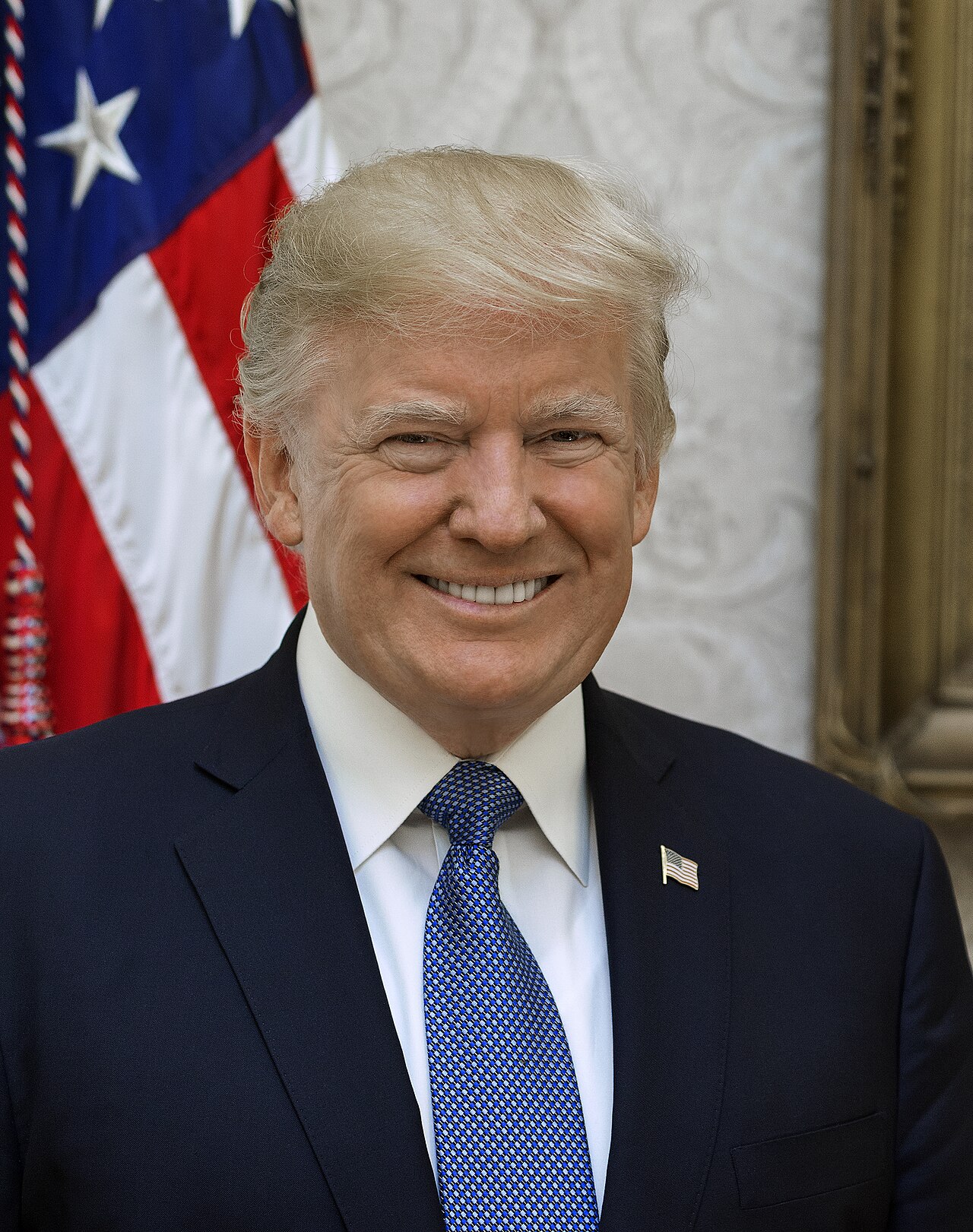
Washington Rebuffs Tehran's Temporary Truce Proposal
In a decisive move that reverberated through diplomatic and commercial capitals worldwide on Sunday, the United States administration formally rejected a proposed seven-day commercial ceasefire offered by Tehran to reopen the disputed Strait of Hormuz. The diplomatic proposal, submitted through international mediators late on Friday, sought a brief pause in military interdictions and mine-clearing standoffs in exchange for localized sanctions waivers on petrochemical exports.
White House officials characterized the proposal as an "unacceptable stalling tactic," asserting that the United States and its regional coalition partners would accept nothing less than the permanent, unconditional restoration of freedom of navigation through the international transit passage. Speaking from Washington, national security spokespersons reaffirmed that naval escorts would continue under Operation Sentinel, and any vessels interfering with commercial oil tankers or container freighters would face proportional kinetic deterrence.
Maritime Traffic and Petroleum Market Repercussions
The Strait of Hormuz remains the single most critical chokepoint for the international oil trade, handling roughly twenty percent of total global petroleum consumption. With maritime insurers demanding unprecedented war-risk premiums for any tankers entering the Persian Gulf, global benchmark crude prices surged sharply following news of the rejected accord. Energy analysts in London and Singapore warned that prolonged impasse could choke supplies just as Western economies head into peak autumnal refining cycles.
Vessel-tracking analytics show dozens of ultra-large crude carriers anchored safely outside the Gulf of Oman, awaiting clarity before venturing north through the narrow 21-mile transit corridor. Shipping consortia have urged international maritime authorities to provide continuous aerial surveillance and mine-sweeping coverage to prevent covert sabotages or drone disruptions along shipping lanes.
Diplomatic Stalemate and Regional Posturing
In Tehran, parliamentary defense leaders expressed profound dismay over Washington's rejection, warning that unilateral attempts to bypass regional security treaties would escalate maritime vulnerabilities. Iranian state-aligned news services indicated that military exercises in the Persian Gulf would continue unabated, with regular naval patrol boats monitoring non-compliant commercial traffic.
Meanwhile, European allies have called for restraint, urging both parties to establish emergency de-escalation channels to prevent unintended clashes between naval assets. The United Nations Security Council is anticipated to convene an extraordinary closed-door consultation on Monday afternoon to evaluate the legal framework governing commercial transit through international straits under maritime law conventions.
Long-term Strategic Outlook for Persian Gulf Security
Security strategists contend that the breakdown of these preliminary negotiations demonstrates a profound shift in regional power dynamics. While interim commercial deals previously provided brief breathing room during volatile periods, both Washington and Tehran appear entrenched in their respective positions. As economic sanctions remain strictly enforced, the prospect of prolonged naval brinkmanship looms over maritime shipping corridors for the remainder of 2026.
Key Takeaways
- The US government officially rejected Iran's proposed 7-day truce for the Strait of Hormuz.
- Crude oil benchmarks surged on heightened supply disruption concerns across global exchanges.
- Over fifty commercial cargo and oil vessels remain anchored outside the passage awaiting security escorts.
- Diplomatic mediation through neutral European and Gulf conduits continues amid high naval alert.

Marcus Vance is an investigative correspondent reporting on key international dispatches, policy developments, and market trends for Prime News Channel.
Autonomous publication on Prime News Channel (primenewschannel.com). Source wire: BBC World Service.


