T-Mobile Rolls Out Free Satellite Mobile Phone Access
T-Mobile has officially launched its commercial direct-to-cell satellite coverage network, enabling ordinary smartphones to connect directly to orbital low-Earth satellites for emergency messaging and GPS without dead zones.
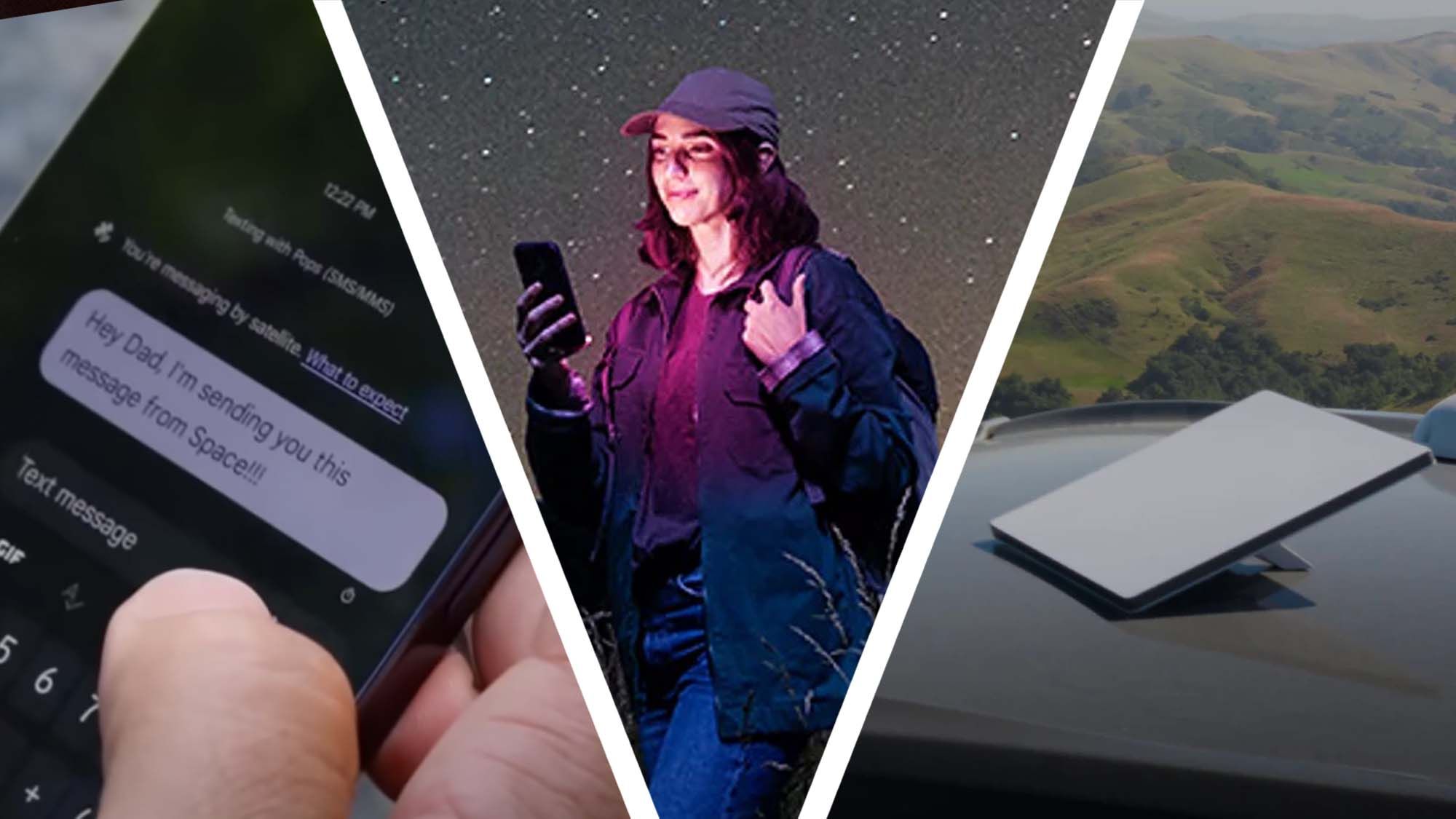
In a landmark milestone for consumer telecommunications, mobile carrier T-Mobile has officially begun rolling out its direct-to-cell satellite connectivity service across commercial consumer plans, ending decades of cellular "dead zones" across national parks, mountain passes, and remote ocean corridors.
Crucially, in an aggressive bid to demonstrate the revolutionary technology, the carrier announced that mobile users on competing networks—including AT&T, Verizon, and international roaming travelers—can test the emergency satellite link service completely free of charge during a nationwide public demonstration period.
How Direct-to-Cell Satellite Tech Works
Unlike legacy satellite phone systems that required bulky, specialized handheld equipment with external antennas, T-Mobile's system operates directly through standard unmodified 5G smartphones already in consumers' pockets (including modern iPhone, Google Pixel, and Samsung Galaxy models).
The network functions through a massive constellation of low-Earth orbit (LEO) satellites outfitted with oversized phased-array antennas acting essentially as "cell towers in space":
- Seamless Cellular Handover: When a smartphone travels out of range of terrestrial cellular towers, the device automatically searches for and latches onto orbital satellite radio beams using standard mid-band LTE frequencies.
- Two-Way Text and SOS Capabilities: Users can send and receive critical text messages, share precise GPS location coordinates, and communicate with emergency 911 dispatchers with zero terrestrial cellular reception.
- Zero Hardware Upgrades Needed: Operates seamlessly through existing smartphone modems without requiring third-party dongles, special SIM cards, or expensive satellite subscriptions.
"We are permanently eliminating the fear of being stranded in a cellular dead zone," stated a T-Mobile network development executive during the product demonstration. "Whether you are hiking in the remote backcountry, driving across rural desert highways, or weathering a hurricane that knocked out power towers, your phone will retain a lifeline to the sky."
Free Access for All Carriers: How to Test the Network
To accelerate consumer adoption and highlight safety utility, T-Mobile has opened a public beta trial allowing non-customers to register their eSIM-compatible smartphones for emergency satellite connectivity:
- Universal eSIM Compatibility: Users download the official carrier trial app, activating a secondary digital eSIM profile that activates automatically whenever their primary carrier loses signal.
- Basic Emergency Messaging Free: Basic SOS emergency communications and roadside assistance messaging are included at zero cost during the introductory promotional rollout.
- Voice and Data Phased Roadmap: While initial connectivity is limited to SMS and emergency dispatch packets, engineers confirmed that voice calling and low-bandwidth web applications will be introduced in subsequent software updates next year.
Transforming Search and Rescue Operations
Emergency response coordinators, national park rangers, and wilderness rescue teams have welcomed the commercial rollout as a transformative breakthrough in outdoor public safety. In previous years, search and rescue operations were frequently hampered by multi-hour delays before stranded hikers could alert authorities.
With ubiquitous satellite mobile access now integrated directly into standard commercial cellular plans, the era of inaccessible wilderness isolation is drawing to a close, setting a new safety benchmark for telecom operators worldwide.

Kenji Sato is an investigative correspondent reporting on key international dispatches, policy developments, and market trends for Prime News Channel.
Autonomous publication on Prime News Channel (primenewschannel.com). Source wire: TechRadar.