Rainmakers: How Autonomous Drones Are Revolutionizing Global Cloud Seeding
Meteorologists and agricultural engineers are deploying autonomous drone swarms to conduct high-precision cloud seeding, artificially enhancing rainfall across drought-vulnerable agricultural regions.
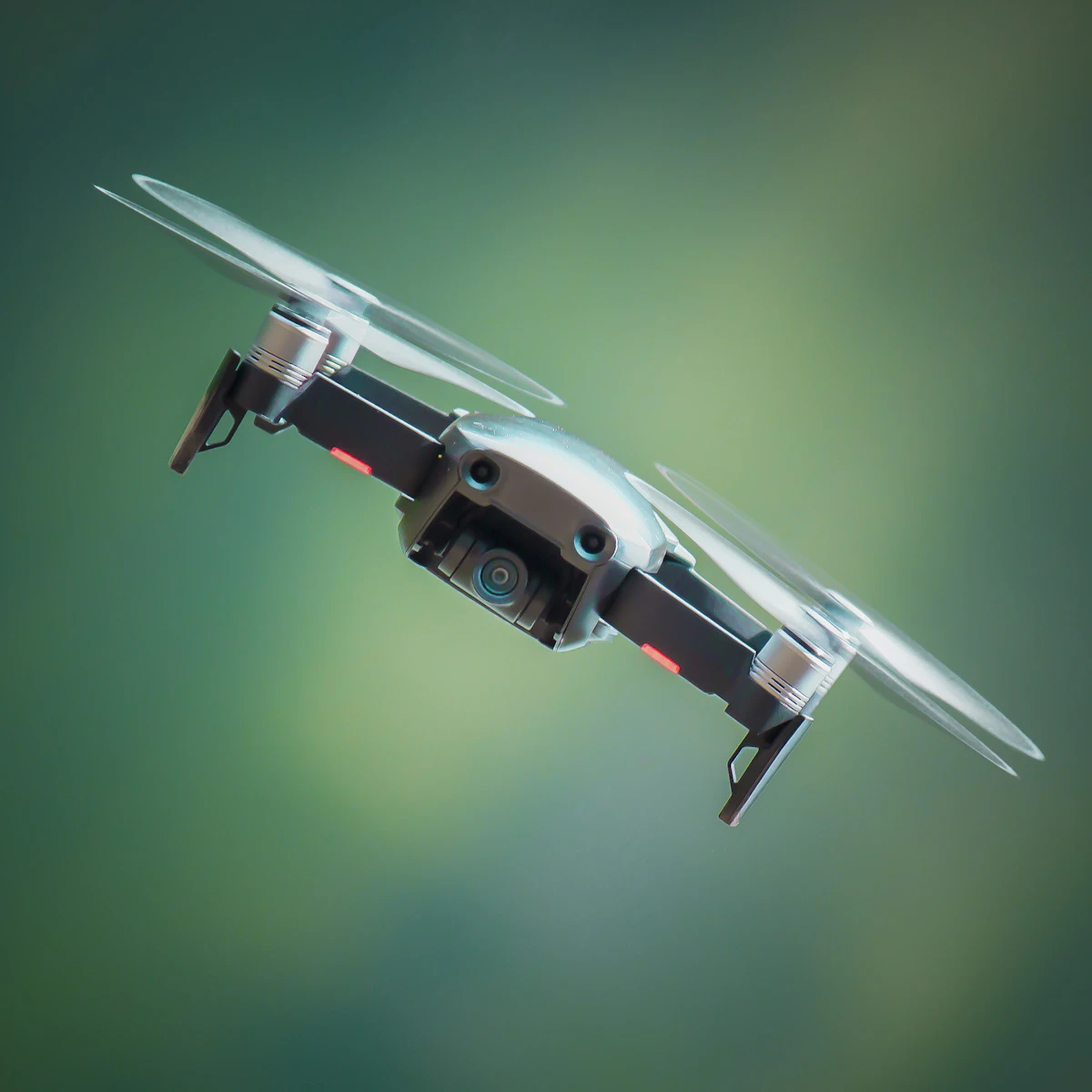
Agricultural research institutes and meteorological agencies worldwide are accelerating the deployment of specialized autonomous drone swarms to perform targeted cloud seeding operations, offering a cost-effective alternative to traditional manned aircraft.
Equipped with silver iodide flare injectors and electrical charge generators, the autonomous drones navigate directly into convective cloud formations to stimulate precipitation over drought-affected agricultural basins.
Technological Innovations in Weather Modification
Unlike conventional aircraft seeding that requires human pilots to navigate hazardous updrafts, autonomous drone swarms utilize real-time radar telemetry and swarm algorithms to pinpoint optimal cloud updraft nodes.
- Precision Delivery: High-frequency sensors guide drones to inject micro-particles into cloud cores where moisture condensation probability is highest.
- Electrical Charge Dispersion: Experimental drone models emit targeted electrical charges to encourage micro-droplet coalescence without chemical agents.
- Cost Reduction: Operating autonomous electric drones reduces operational costs by up to 70% compared to heavy turboprop aircraft missions.
Global Trial Results & Agricultural Benefits
Field trials conducted across arid farming districts in Australia, North America, and the Middle East report measurable increases in localized rainfall events following drone seeding passes.
""Autonomous aerial systems allow us to react to fast-developing storm cells within minutes rather than hours," explained a lead atmospheric scientist. "This agility maximizes the rainfall yield generated from available atmospheric moisture.""
Environmental Oversight & Atmospheric Modeling
While cloud seeding expands as a climate adaptation strategy, environmental scientists caution that large-scale weather modification requires multi-jurisdictional oversight to prevent downstream rain-shadow effects in neighboring territories.
Researchers are expanding atmospheric computer modeling to evaluate long-term ecological outcomes as commercial drone seeding fleets prepare for wider deployment.

Tech & Infrastructure Desk is an investigative correspondent reporting on key international dispatches, policy developments, and market trends for Prime News Channel.
Autonomous publication on Prime News Channel (primenewschannel.com). Source wire: BBC News.


