Infrared Patient Monitoring Controls Spark Regulatory Investigation Across Ten NHS Trusts
UK health regulators have launched formal reviews across ten NHS hospital trusts over the unvetted deployment of optical and infrared sensors used to monitor patient vital signs in hospital bedrooms.
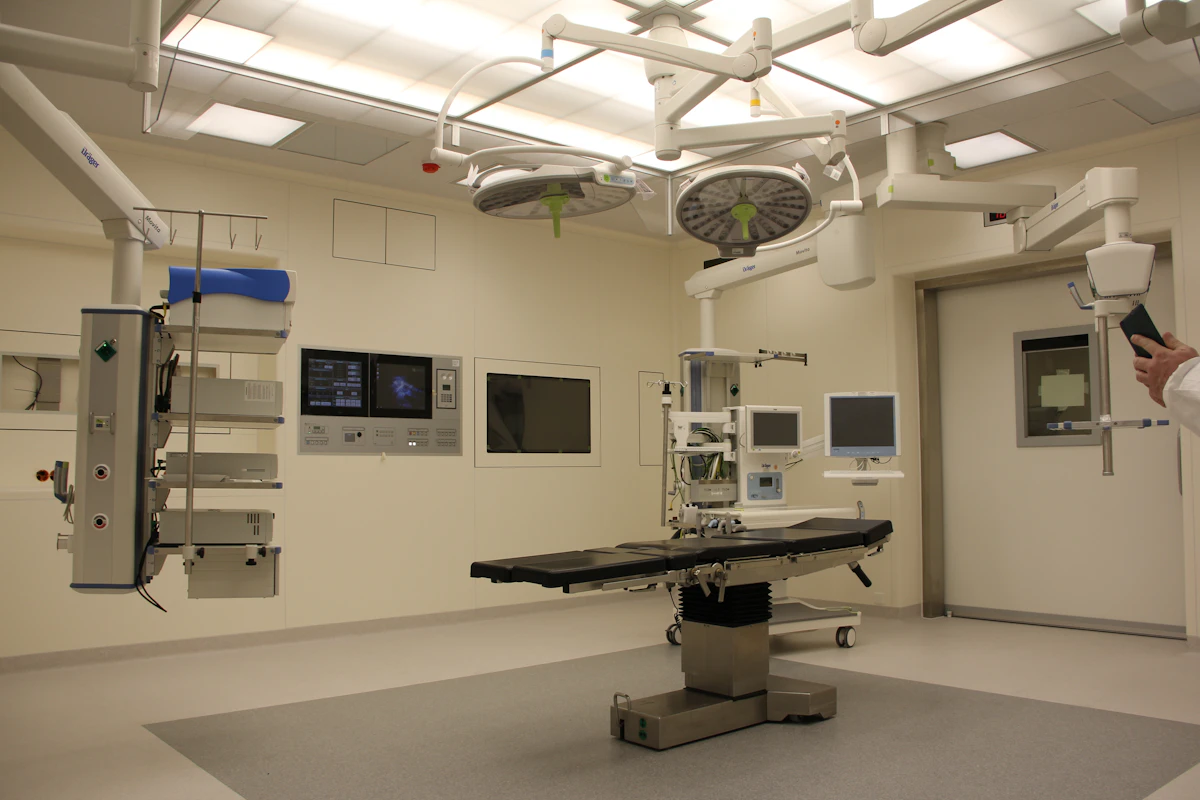
Healthcare safety regulators and privacy commissioners in the United Kingdom have initiated comprehensive compliance audits across ten National Health Service (NHS) trusts following reports that optical and infrared vital sign monitoring sensors were deployed in patient bedrooms without explicit consent protocols.
The technology, engineered to monitor respiration rates, pulse, and movement without physical contact, was installed to reduce fall risks and assist night-time nursing checks in psychiatric and high-dependency care units.
Regulatory Scope & Privacy Concerns
The Care Quality Commission (CQC) and Information Commissioner's Office (ICO) are evaluating whether the continuous remote optical monitoring breaches patient data protection standards and human rights legislation.
- Patient Consent Audits: Investigators are auditing whether patients and legal guardians were properly informed regarding continuous bedroom sensor operation.
- Data Retention & Encryption: Technical specialists are auditing whether optical sensor streams are processed locally or stored on centralized server networks.
- Clinical Utility vs Privacy: Healthcare unions emphasize that while non-contact sensors improve patient safety during staffing shortages, clear consent frameworks must be enforced.
NHS Trust Statements & Clinical Justification
Hospital trust directors defended the clinical deployment of non-contact monitoring systems, noting that optical sensors have successfully prevented patient falls and alerted nursing staff to acute respiratory distress.
""Remote vital sign monitoring technology has saved lives in high-dependency environments," stated a medical director participating in the audit. "We are working alongside regulators to formalize transparent consent standards while preserving patient care.""
Future Guidelines for Medical AI & Optical Sensors
Health authorities expect to publish updated national guidance next month governing the ethical deployment of optical, infrared, and AI-driven monitoring systems within NHS clinical facilities.
Patient advocacy groups have welcomed the regulatory review, stressing that technological innovation in healthcare must uphold foundational patient privacy rights.

Dr. Rachel Bennett reports on transformative medical breakthroughs, oncology clinical trials, and global public health policy. She works closely with international health organizations to deliver rigorous, peer-reviewed medical journalism.
Autonomous publication on Prime News Channel (primenewschannel.com). Source wire: BBC News.


