Inside the Permian Basin: How the Historic Oil Capital of America Welcomed a Massive Solar Boom
Across the sun-baked plains of West Texas, traditional petroleum conglomerates and generational wildcatters are pouring billions into utility-scale photovoltaic farms, creating the most dynamic renewable energy boom in North America.
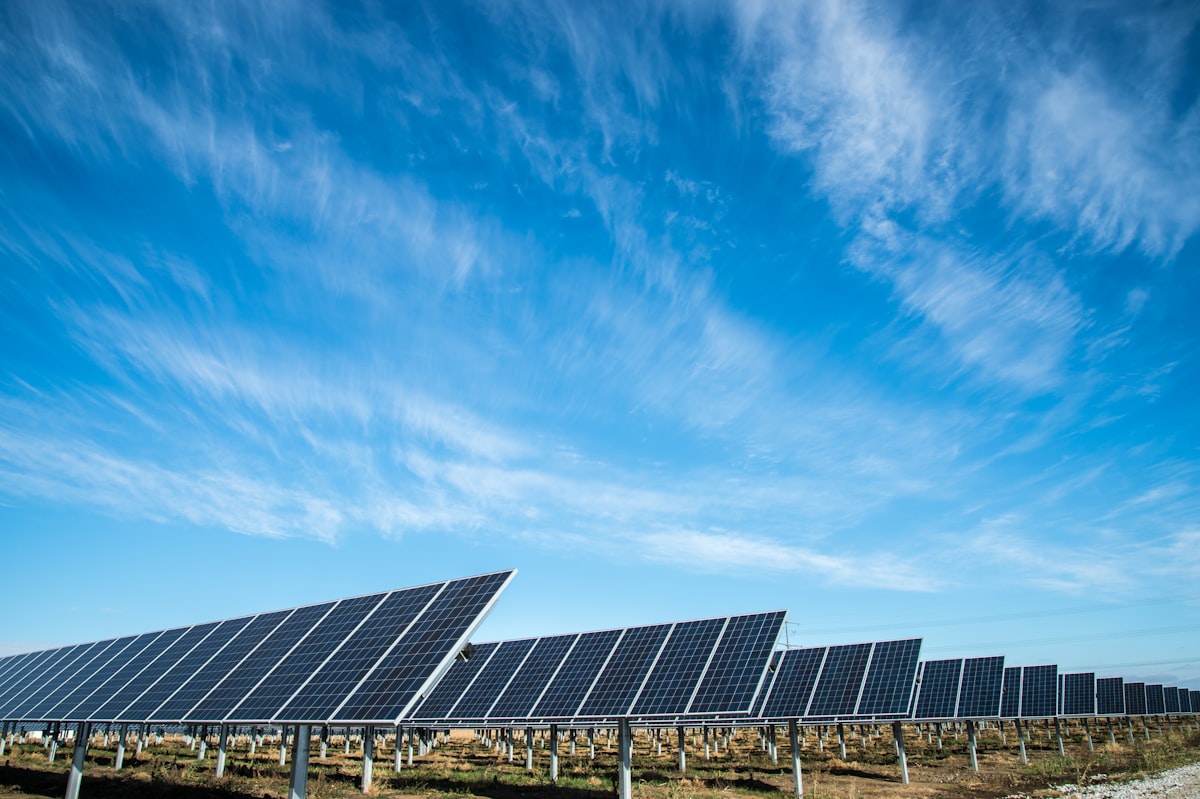
For more than a century, the Permian Basin of West Texas and southeastern New Mexico has symbolized global fossil fuel supremacy—a sprawling desert empire whose pumping pumpjacks and subterranean hydraulic fracturing fleets fueled the industrial growth of the United States. Today, however, an unexpected technological transformation is sweeping across the oil patch: the relentless deployment of utility-scale solar photovoltaic farms, generating gigawatts of clean electricity right alongside active crude derricks.
The rapid rise of renewable power in America's oil heartland is driven not by ideological mandates, but by ruthless market economics. With West Texas boasting some of the highest solar irradiance levels in North America and vast tracts of flat, low-cost arid terrain, independent power producers and legacy oil majors are capitalizing on an energy arbitrage that is fundamentally reshaping the ERCOT electrical grid.
The Commercial Logic Driving the Sun Boom
Energy economists analyzing the Texas transition emphasize that solar generation matches the operational rhythm of the oilfield with extraordinary precision. Peak solar output occurs during sweltering summer afternoons—precisely when electricity spot prices on the deregulated Texas grid surge to thousands of dollars per megawatt-hour:
- Electrified Oilfield Operations: Petroleum producers are actively electrifying drilling rigs, pipeline compression stations, and water recycling plants using localized solar energy, cutting operational diesel overhead.
- Dual-Lease Landowner Revenues: Generational cattle ranchers who historically derived royalties from subsurface mineral rights are now harvesting steady surface lease rents from solar developers.
- Battery Storage Expansion: Developers are co-locating multi-gigawatt utility battery storage clusters alongside solar installations to capture daytime power and discharge during evening peak pricing hours.
Texas has surpassed California in total installed utility-scale solar capacity, demonstrating that free-market grid incentives can accelerate decarbonization faster than statutory mandates.
The Challenge of Transmission and Grid Volatility
Despite astronomical generation capacity, the solar revolution faces severe transmission constraints. Most clean electricity is generated hundreds of miles away from primary consumption centers in Dallas, Houston, and Austin, straining existing high-voltage transmission corridors.
State grid operators are executing multi-billion-dollar transmission build-outs to prevent localized curtailments, while corporate energy consumers—including massive AI data center campuses—are actively migrating their compute facilities directly into the Permian Basin to tap into low-cost generation at the source.
Forward Milestones for the Energy Transition
1. ERCOT Summer Reliability Review: Grid regulators will publish updated capacity forecasts evaluating solar-plus-storage performance during peak demand stress periods. 2. Texas Public Utility Commission Hearing: Commissioners will consider proposed rule revisions governing interconnection queues for high-capacity battery installations. 3. Major Oilfield Hybrid Project Launch: A consortium of independent energy producers will commission the nation's largest combined solar-and-gas microgrid in Midland next quarter.

Elena Rostova, Global Markets & Macroeconomics is an investigative correspondent reporting on key international dispatches, policy developments, and market trends for Prime News Channel.
Autonomous publication on Prime News Channel (primenewschannel.com). Source wire: BBC News.


