How and When to Watch the Orionid Meteor Shower in 2026
Stargazers worldwide prepare for the peak of the Orionid meteor shower as Earth barrels through debris trails shed by Halley's Comet, promising brilliant fireballs.
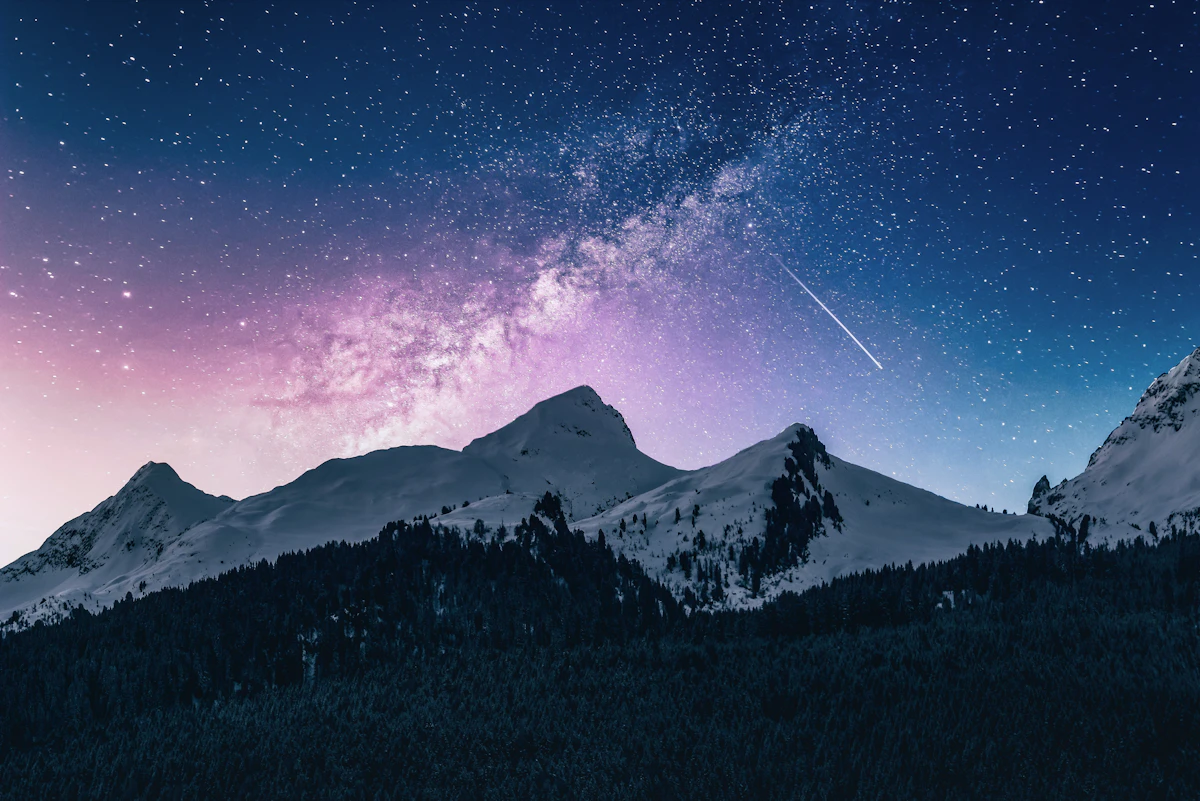
Astronomy enthusiasts, casual stargazers, and astrophotographers around the world are preparing their binoculars and night-sky observing kits as the annual Orionid meteor shower approaches its celestial maximum. Originating from ancient dust particles shed by the iconic Halley's Comet, the Orionids represent one of the most reliable and spectacular astronomical events of the autumn calendar, known for producing exceptionally fast, luminous meteors that leave persistent ionization trails lingering across the dark canopy of space.
The Cosmic Origins of the Orionids
Unlike planetary phenomena governed by seasonal weather cycles, meteor showers are the direct result of Earth's orbital journey intersecting primordial trails of cosmic debris left behind by comets. As Comet 1P/Halley sweeps through the inner solar system every seventy-six years, intense solar radiation heats its icy core, vaporizing volatile gases and liberating millions of tons of rocky grains, ice pellets, and metallic dust along its orbital pathway.
Each October, Earth's orbital path carries our planet directly through this ancient stream of cometary particulate matter. When these microscopic particles collide with Earth's upper atmosphere at blistering relative velocities exceeding one hundred and forty-seven thousand miles per hour, intense frictional compression superheats the surrounding atmospheric molecules, generating the brilliant streaks of incandescent light recognized as shooting stars.
Optimal Timing and Celestial Viewing Windows
Astronomers and planetary science societies indicate that the Orionids will achieve their highest activity rates during the pre-dawn hours between midnight and early morning twilight. Under dark, unpolluted rural skies, observers can anticipate seeing between fifteen and twenty-five meteors per hour during the peak viewing window.
A major advantage for celestial observers in 2026 is favorable lunar illumination. The moon's crescent phase ensures minimal ambient moonlight will wash out faint meteors, providing dark, high-contrast observing conditions that significantly enhance visibility. While meteors appear to radiate outward from the constellation Orion—just north of the brilliant supergiant star Betelgeuse—astronomers emphasize that looking directly at the radiant point is not necessary. Shooting stars can streak dynamically across any quadrant of the sky.
Essential Viewing Tips for Maximum Visibility
To maximize your chances of catching rapid fireballs and lingering smoke trains, stargazing societies recommend observing several fundamental visual astronomy guidelines:
- Escape Urban Light Pollution: Ambient streetlights and municipal skylight severely diminish visibility. Seeking out elevated rural parks, coastal lookouts, or dark-sky reserves provides the starkest contrast.
- Allow Eyes to Dark-Adapt: The human eye requires at least twenty to thirty minutes in absolute darkness to synthesize rhodopsin and achieve full scotopic vision. Avoid checking bright smartphone screens, as brief bursts of white light reset night vision instantly.
- Ditch Telescopes and Binoculars: Telescopes possess narrow fields of view unsuitable for tracking fast-moving meteors. The naked eye, with its panoramic peripheral vision, is the premier optical tool for meteor observing.
- Dress for Sustained Cold: Autumn nights cool rapidly before dawn. Reclining deck chairs, thermal blankets, and insulated beverage flasks ensure comfort during extended vigil watches.
Astrophotography and Citizen Science
For night-sky photographers, the Orionids offer prime opportunities to capture long-exposure deep-sky composites. Using wide-angle lenses set to wide apertures (f/2.8 or wider) paired with high ISO sensitivities and exposures of fifteen to twenty-five seconds, photographers can record vibrant meteor tracks juxtaposed against the luminous belt of Orion and the glowing winter Milky Way.
International meteor organizations are actively encouraging amateur observers to submit visual observation counts and high-precision timing logs through citizen-science web portals. These crowd-sourced data streams help orbital dynamicists map the shifting density distribution of Halley's cometary debris streams, refining our scientific comprehension of how cometary material disperses across the solar system over millennia. As the peak nights arrive, clear autumn skies offer an unforgettable invitation to look upward and witness ancient cosmic history burn bright.

BBC Science & Stargazing Unit is an investigative correspondent reporting on key international dispatches, policy developments, and market trends for Prime News Channel.
Autonomous publication on Prime News Channel (primenewschannel.com). Source wire: BBC News.


